
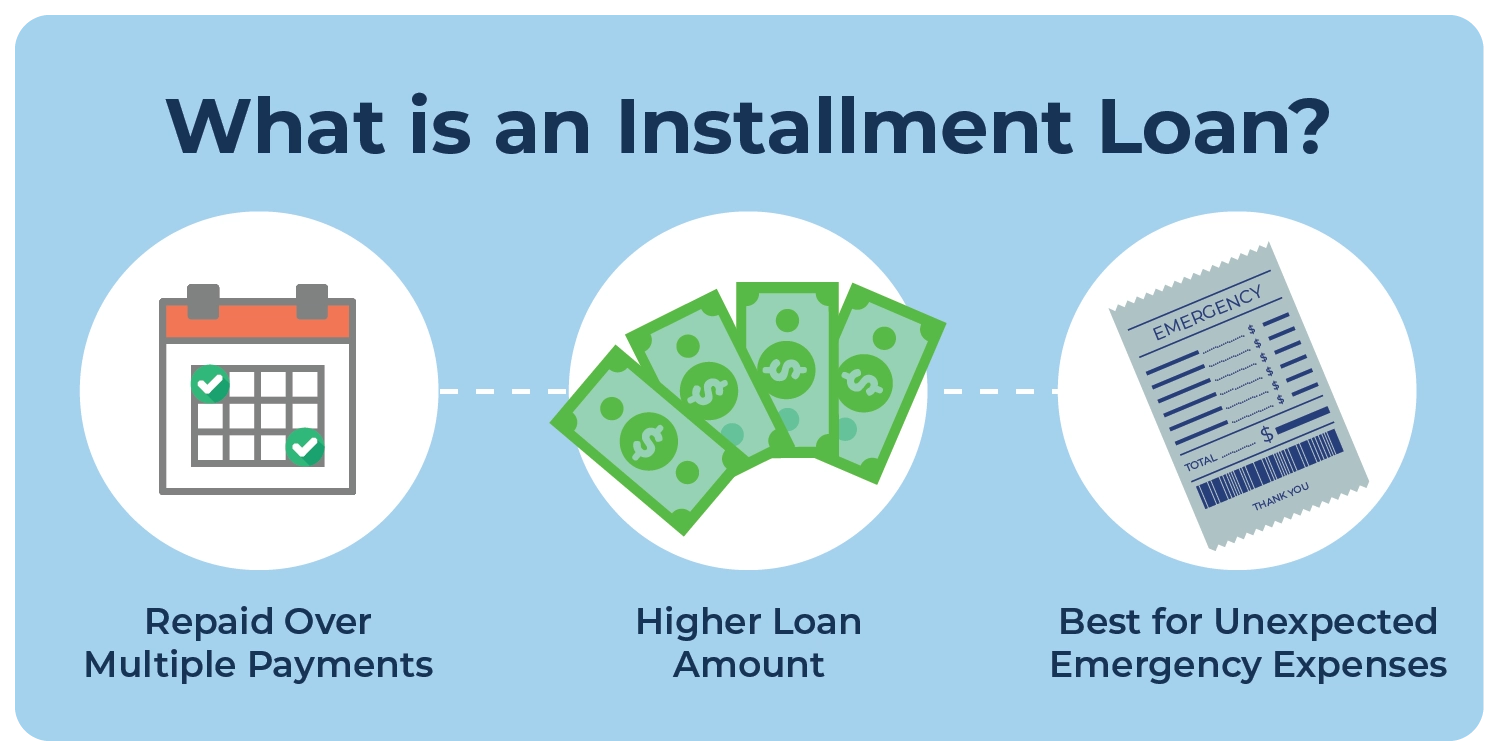
When it comes to managing urgent expenses or planning purchases, two common financial options come to mind: Personal Loans and Installment Plans. At first glance, both may look similar because you pay money back in monthly installments. But in reality, they work very differently and serve different purposes. Understanding the difference between a personal loan and an installment plan can help you make better financial decisions and avoid unnecessary costs.
In this article, we’ll break down both options, explain how they work, and help you choose the right one based on your needs.
What Is a Personal Loan?
A personal loan is a type of unsecured loan that you borrow from a bank, finance company, or digital lender. The term “unsecured” means you do not need to provide any collateral such as property, jewelry, or a guarantor.
Once your loan is approved, the full amount is transferred directly to your bank account. You can use this money for any purpose—education, medical emergencies, house repairs, travel, or debt repayment.
Key Features of a Personal Loan
Fixed loan amount (you get the entire amount at once)
Flexible usage (use it for anything you want)
Fixed monthly payments (EMIs)
Usually higher interest rates compared to secured loans
Requires credit score check and income proof
Longer repayment tenures (1–5 years)
What Is an Installment Plan?
An installment plan is a payment system usually offered by retail stores, e-commerce websites, or credit card providers. Instead of paying the full price of a product upfront, you divide the cost into small monthly payments.
Installment plans are often used for:
Mobile phones
Laptops
Electronics
Furniture
Appliances
In many cases, installment plans come with 0% interest, making them very attractive.
Key Features of Installment Plans
Only for specific products
Repayment is linked to the price of the item
Some plans offer 0% markup
Tenure is usually short (3–18 months)
No additional charges except processing or card fees
Purchase is required first (loan comes after product selection)
Difference Between Personal Loan and Installment Plan
Let’s break down the differences point by point so you can clearly understand how they compare.
1. Purpose of Borrowing
Personal Loan
You can use the loan amount for anything—there is no restriction. Whether it’s medical expenses, education fees, or travel costs, the choice is yours.
Installment Plan
You can only use the plan for specific purchases, mostly products or selected services. You cannot use it for general expenses.
2. Loan Amount vs Product Price
Personal Loan
You decide how much money you want—PKR 50,000, 100,000, or even higher. Banks approve the amount based on your income and credit score.
Installment Plan
You don’t choose the amount. It is simply the price of the product you are buying.
3. Interest Rate
Personal Loan
Interest rates are usually higher because it’s an unsecured loan. The bank takes more risk, so they charge more.
Installment Plan
Interest may be:
0%, or
Very low
This makes it cheaper than a personal loan for product purchases.
4. Repayment Period
Personal Loan
Tenure is long—between 12 months and 5 years. This reduces the monthly payment amount but increases total interest paid.
Installment Plan
Tenure is shorter—3 to 18 months. Payments are smaller in duration but consistent.
5. Approval Requirements
Personal Loan
Approval is more strict:
CNIC
Salary slip or income proof
Bank statement
Credit history
Banks also check your debt-to-income ratio.
Installment Plan
Requirements are lighter:
CNIC
Credit/debit card
Sometimes no income proof needed
Approval is quick and often instant.
6. Speed of Getting Money or Product
Personal Loan
Approval may take 2–7 days, depending on the bank’s process.
Installment Plan
You get the product immediately after approval.
Which One Should You Choose?
Choosing between a personal loan and an installment plan depends on your situation and needs.
Choose a Personal Loan If:
You need money urgently for emergencies
You want freedom to use the amount anywhere
You need a large amount (more than product cost)
You prefer longer repayment periods
Personal loans are best for flexibility.
Choose an Installment Plan If:
You want to buy a phone, TV, laptop, or home appliance
You prefer zero-interest financing
You want fast approval
You don’t want to deal with heavy documentation
Installment plans are ideal for specific purchases and are usually cheaper.
Final Thoughts
Both personal loans and installment plans are useful financial tools—but for different purposes. Personal loans give you full control over how you use the money, while installment plans help you buy expensive items easily without paying the full price upfront.
Before choosing either option, always check:
Interest rates
Additional fees
Monthly installment amount
Repayment period
Your income and budget
Making the right decision can save you money and help you manage your finances more effectively.