
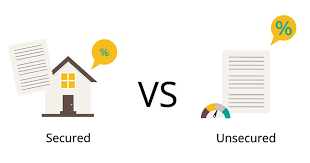
Choosing the right personal loan can feel confusing, especially when lenders offer two major types: secured and unsecured personal loans. If you’ve never taken a loan before, these terms may sound complicated, but the concepts are very simple. The important thing is to understand how each type works, what risks they carry, and which one fits your financial situation.
This detailed guide will walk you through everything you need to know so you can make a confident, informed decision that won’t cause financial stress later on.
What Is a Secured Personal Loan?
A secured personal loan is a loan that requires you to provide collateral—something valuable that the lender can take if you don’t repay the loan. Common types of collateral include:
Property (house or land)
Car
Gold
Savings or fixed deposits
Investments or assets
In short, you “secure” the loan by promising an asset. If the loan is not paid back, the lender has the legal right to claim the asset to recover their money.
Why do lenders ask for collateral?
Because it reduces their risk. When the lender feels more secure, they usually offer:
Lower interest rates
Higher loan amounts
Longer repayment periods
This is why secured loans are often cheaper in the long run.
What Is an Unsecured Personal Loan?
An unsecured personal loan does not require any collateral. You don’t have to submit gold, property papers, or any asset to the bank. Because of this, these loans are often called “signature loans” — all you need is your identity, income proof, and signature.
Approval depends mainly on:
Your credit score
Your income
Your job stability
Your existing debt
Since the lender is taking a bigger risk, unsecured personal loans usually come with:
Higher interest rates
Lower loan limits
Shorter repayment terms
But they are quick, easy, and convenient—especially if you don’t have assets to pledge.
Secured vs Unsecured Personal Loans: Key Differences
To make things simple, here’s a clear comparison:
1. Collateral Requirement
Secured Loan: Requires collateral
Unsecured Loan: No collateral needed
This is the biggest difference between the two.
2. Loan Amount
Secured Loan: Higher amounts available because the lender has security
Unsecured Loan: Limited loan sizes depending on income
If you need a large amount for business, home renovation, or debt consolidation, secured loans may be the better option.
3. Interest Rates
Secured Loan: Lower rates
Unsecured Loan: Higher rates
Collateral lowers the lender’s risk, so they reward the borrower with better rates.
4. Repayment Flexibility
Secured Loan: Longer repayment terms
Unsecured Loan: Shorter terms
Longer tenures help reduce monthly EMI amounts.
5. Approval Speed
Secured Loan: Slower due to verification of assets
Unsecured Loan: Faster, sometimes instant approval
If you need money urgently, unsecured loans are usually the better choice.
6. Risk Level
Secured Loan: Risk of losing your asset if you can’t repay
Unsecured Loan: No risk to personal property
This is why secured loans must be taken with careful planning.
How to Decide Which Loan Type Is Right for You
Choosing between secured and unsecured personal loans depends on your financial situation, needs, and comfort level. Let’s break down some simple guidelines.
Choose a Secured Personal Loan If:
1. You Need a Large Amount
Secured loans allow you to borrow more, whether it’s for a business investment, home renovation, or major medical expenses.
2. You Want Lower Monthly EMIs
Longer tenure means smaller monthly payments, which can reduce stress on your monthly budget.
3. You Have a Valuable Asset
If you own property, gold, or a car, you can use it to get better loan terms.
4. You Want Lower Interest Rates
Secured loans often have much better rates, saving you a lot of money over time.
5. You’re Confident You Can Repay
Since your asset is at risk, only choose this option if you are 100% sure about repayment.
Choose an Unsecured Personal Loan If:
1. You Need Money Quickly
Unsecured loans are processed much faster because there is no collateral verification.
2. You Don’t Want to Risk Your Assets
If you don’t want to put your home or gold on the line, an unsecured loan is safer.
3. You Require a Small or Medium Loan Amount
These loans are ideal for education needs, travel, emergency expenses, weddings, or debt consolidation.
4. You Have a Good Credit Score
A strong credit history improves your chances of getting approved with lower interest.
5. You Prefer Simple Documentation
No property papers or asset verification means minimal paperwork and a smoother experience.
Pros and Cons of Each Loan Type
Secured Loan – Pros
Lower interest rates
Higher loan amounts
Longer tenure
Better chances of approval
Secured Loan – Cons
Risk of losing assets
Slower approval
More paperwork
Unsecured Loan – Pros
Fast approval
No collateral required
Simple documentation
Flexible usage
Unsecured Loan – Cons
Higher interest rates
Lower loan amounts
Shorter repayment periods
Which Loan Is Better?
There is no “one-size-fits-all” answer. The right loan depends on your personal situation.
Choose a Secured Loan if you want affordability and can provide collateral.
Choose an Unsecured Loan if you want convenience, speed, and no asset involvement.
Think about your:
Monthly income
Repayment capacity
Credit score
Urgency
Risk tolerance
Your answer will naturally guide you to the right option.
Final Thoughts
Both secured and unsecured personal loans can be useful tools when managed responsibly. A secured loan gives you better terms but comes with the risk of losing your asset if things go wrong. An unsecured loan gives you freedom and speed but often costs more in interest.
Before deciding, compare offers, check EMI calculations, and make sure the loan aligns with your financial plans rather than creating pressure.
With the right choice, a personal loan can support your goals and make life easier instead of stressful.