
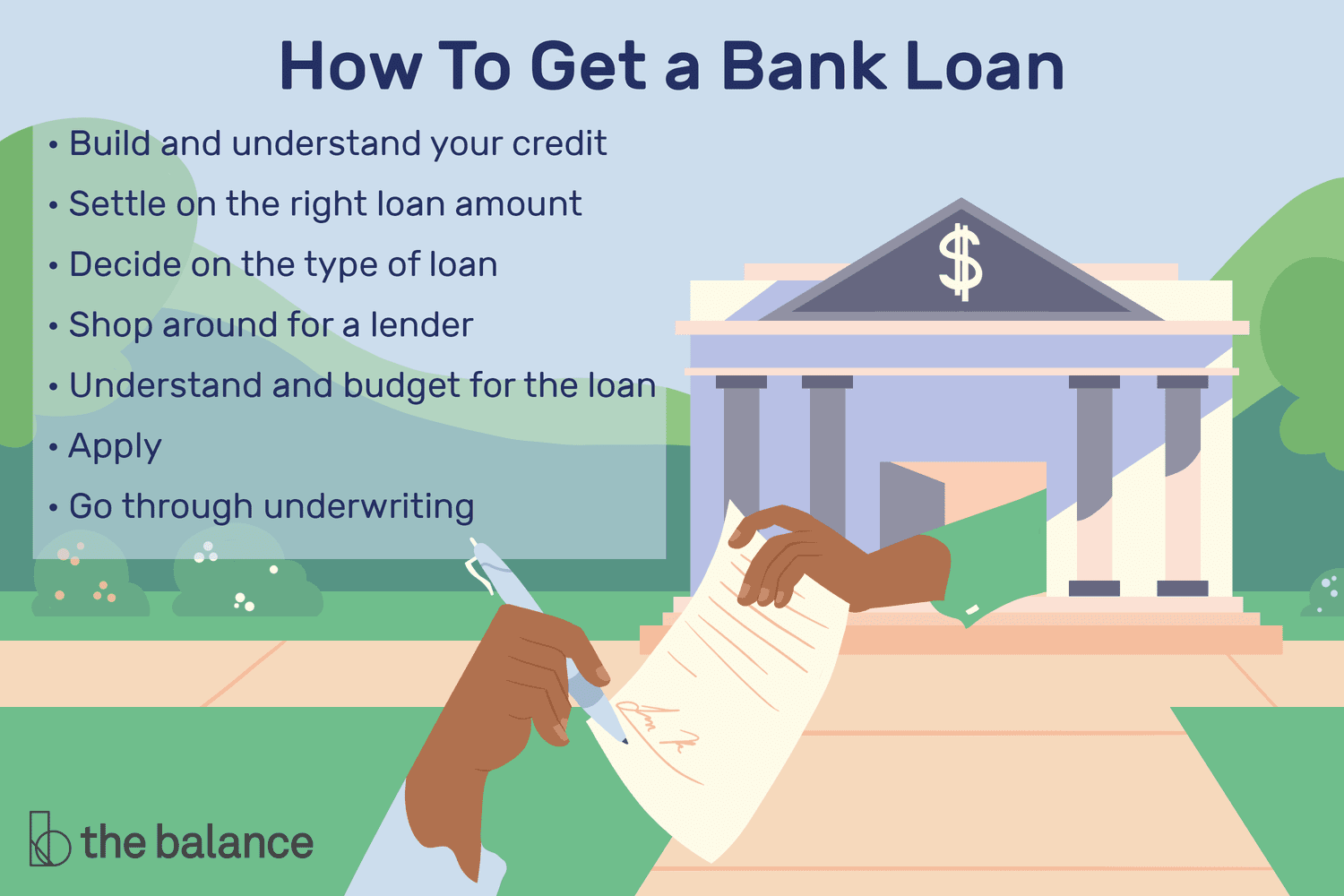
A personal loan can be a great financial solution when you need extra funds for emergencies, home renovations, weddings, medical bills, education, or any other personal expense. Banks offer personal loans with flexible repayment options, but the process can feel confusing—especially for first-time borrowers.
To make things easier for you, here is a simple, clear, and humanized step-by-step guide that explains exactly how to get a personal loan from a bank.
1. Understand What a Personal Loan Is
Before applying, it’s important to know what a personal loan really means.
A personal loan is a type of unsecured loan, which means you don’t need to provide any collateral like property, car, gold, or other assets. Because it’s unsecured, the bank approves it based on:
Your salary or income
Credit score and repayment history
Your job stability
Banking relationship
You receive a lump sum amount and repay it in fixed monthly installments (EMIs).
2. Determine Your Loan Requirement
The first step is to be clear about how much loan amount you need. Many people either borrow too little and face shortages later, or borrow too much and struggle with repayment.
Ask yourself:
What is the exact purpose of this loan?
How much money do I truly need?
Can I repay the amount comfortably each month?
Getting clarity at the beginning will help you avoid unnecessary financial pressure in the future.
3. Check Your Eligibility Before Applying
Every bank has its own eligibility criteria. While they may differ slightly, the major factors are always similar:
Common Eligibility Requirements:
Minimum age (usually 21–60 years)
Stable job or business
Monthly income requirement
Good credit score (650+ preferred)
6–12 months of job stability (for salaried persons)
1–2 years business proof (for self-employed persons)
Checking your eligibility beforehand saves you from rejection and unnecessary inquiries on your credit report.
4. Verify Your Credit Score
Your credit score is one of the most important factors in loan approval. It tells the bank how responsibly you repay past loans or credit card bills.
Why Credit Score Matters?
Higher credit score = Higher chances of approval
You may get a lower interest rate
Faster loan disbursement
Better loan terms and flexibility
If your score is low, try to improve it before applying by clearing old dues and paying bills on time.
5. Compare Banks and Their Loan Offers
Do not apply for a loan with the first bank you see. Every bank offers different interest rates, loan tenures, processing fees, and benefits.
Things to Compare:
Interest rate (APR)
Maximum loan amount
Loan tenure options
Processing fee
Insurance charges
Prepayment or early settlement penalty
Any hidden charges
Even a small difference in interest rate can save you a lot of money over the full duration of the loan.
6. Use EMI Calculators to Plan Better
All banks have EMI calculators on their websites. These tools help you understand:
Your monthly EMI
Total amount payable
Total interest paid
Impact of different tenures
It’s very important to know whether the monthly installment fits your budget before applying.
7. Gather Required Documents
Banks require some standard documents for verification. Keeping them ready in advance makes the process faster.
Common Required Documents:
✔ CNIC / National ID
✔ Salary slips (last 3–6 months)
✔ Bank statements (last 6–12 months)
✔ Employment letter (for salaried individuals)
✔ Income tax documents (if required)
✔ Proof of business (for self-employed)
✔ Utility bill or address proof
Make sure all documents are clear, updated, and valid.
8. Visit the Bank or Apply Online
Most banks now offer two methods to apply for a personal loan:
A. Apply by Visiting the Bank
Meet a loan officer
Ask for loan details
Submit your forms and documents
Get guidance through the entire process
This method is helpful if you want a human explanation about terms and conditions.
B. Apply Online
Visit the bank’s official website
Fill out the application form
Upload documents
Get instant eligibility check
Quick approval process
Online applications are faster and more convenient.
9. Wait for Verification and Approval
Once you submit your application, the bank begins the verification process. They will:
Verify your job or business
Check your credit history
Review your bank statements
Analyze your repayment capacity
If everything is correct, they will approve your loan. Sometimes the bank may request additional documents—this is normal.
10. Loan Offer and Agreement Signing
After approval, you will receive a loan offer. It includes:
Loan amount
Tenure
Interest rate
EMI amount
Total payable amount
Penalties and charges
Carefully read the entire agreement. Make sure you understand all terms. If something is unclear, ask the bank representative before signing.
Never sign without reading.
11. Loan Disbursement (Money Transfer)
Once the agreement is signed, the bank transfers the loan amount to your:
Bank account
Salary account
Or issues a cheque (rarely)
This usually happens within 24–72 hours after final approval.
12. Repayment Through Monthly EMIs
After receiving the loan, your repayment begins as per the schedule. The EMI is automatically deducted from your bank account each month.
Tips for smooth repayment:
Maintain sufficient balance
Never miss an EMI
Avoid late payments
Try to prepay when possible (if penalty-free)
Timely repayment will keep your credit score healthy and improve your future loan chances